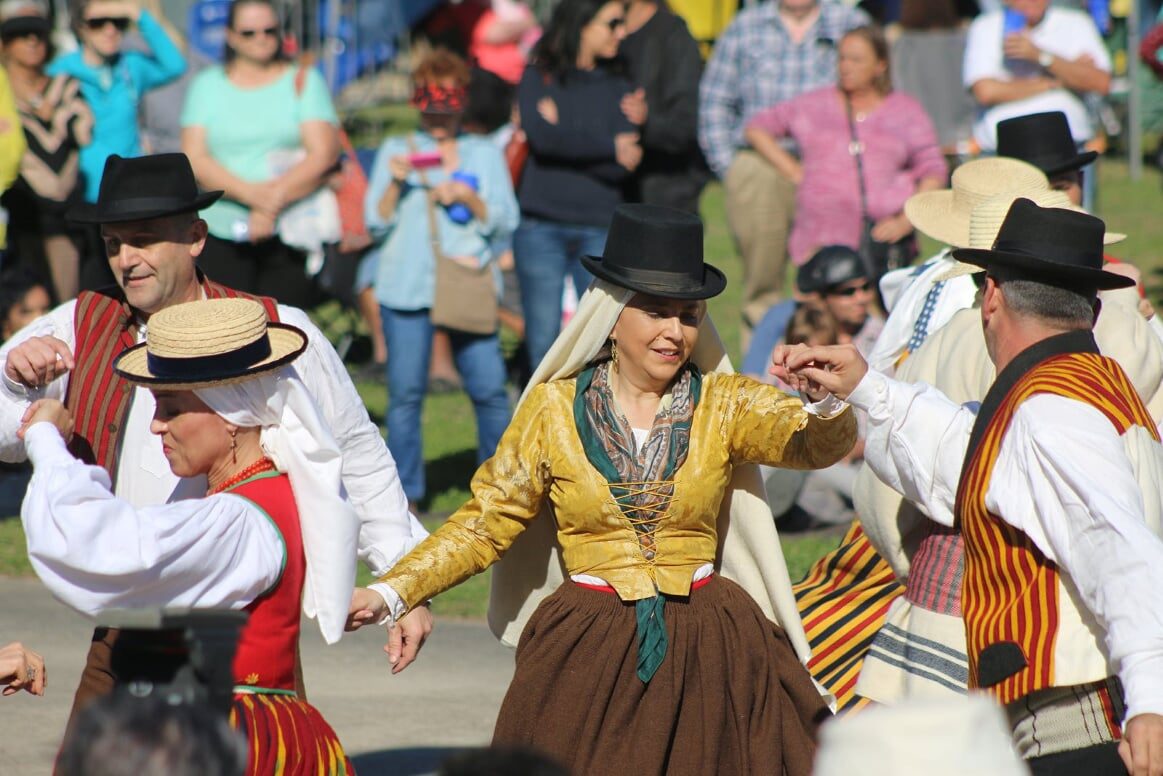

Look through a St. Bernard phone book (or a high school yearbook) and you'll find Alfonso, Campo, Estopinal, Fernandez, Molero, Nuñez, Perez, Gonzales. Many of those families trace back to a few ships that left the Canary Islands in the late 1770s. They're the Isleños, the "islanders", and they're one of the oldest communities in Louisiana.
From the Canaries to the bayou
In the 1770s Louisiana belonged to Spain, and Spain was worried about it. The colony had few settlers and a long, exposed border with the British. So the Crown recruited families from the Canary Islands, its Atlantic islands off the coast of Africa, to go and settle it.
The first ship, the Santísimo Sacramento, sailed in July 1778, and more followed over the next few years. In all, about two thousand Canary Islanders made the crossing. Governor Bernardo de Gálvez spread them across several new settlements, and one group was sent to Terre-aux-Boeufs, the bayou country downriver from New Orleans. The parish you're standing in grew up around them. It's named for Gálvez's patron saint.
Down the bayou
The first Isleños farmed along Bayou Terre-aux-Boeufs. Over the next century many moved farther out into the marsh, to places like Delacroix, Yscloskey and Shell Beach, and made their living from the water: shrimping, oystering, fishing and trapping muskrat and nutria. Those communities were close-knit and isolated enough that for generations people kept speaking an old Canary Island Spanish at home, long after their neighbors had switched to French or English.
Hardly anyone grows up speaking that Spanish now. But you can still hear it in place names, in family stories, and in the songs.
The décima
To an Isleño, a décima is a song: a long sung story, often made up and passed along by ear, about life down the bayou. There are songs about storms and shipwrecks, hunting and trapping, politics, and neighbors who did something worth singing about. Some came over from the Canaries; many were composed here.
The best-known singer was Irván Pérez of Delacroix Island. He spent decades singing, recording and teaching the décimas so they wouldn't die with his generation, and in 1991 the National Endowment for the Arts gave him a National Heritage Fellowship, the country's highest honor for a folk artist. He died in 2008. Recordings of him are worth looking up.
Katrina, and coming back
Hurricane Katrina hit the lower parish as hard as anywhere. Delacroix, Yscloskey and Shell Beach were wrecked, and many families moved upriver or out of the parish entirely. In the years since, a lot of the work of keeping Isleño culture alive has fallen to volunteers: the people who rebuilt the museum, record the elders and cook for the fiesta.
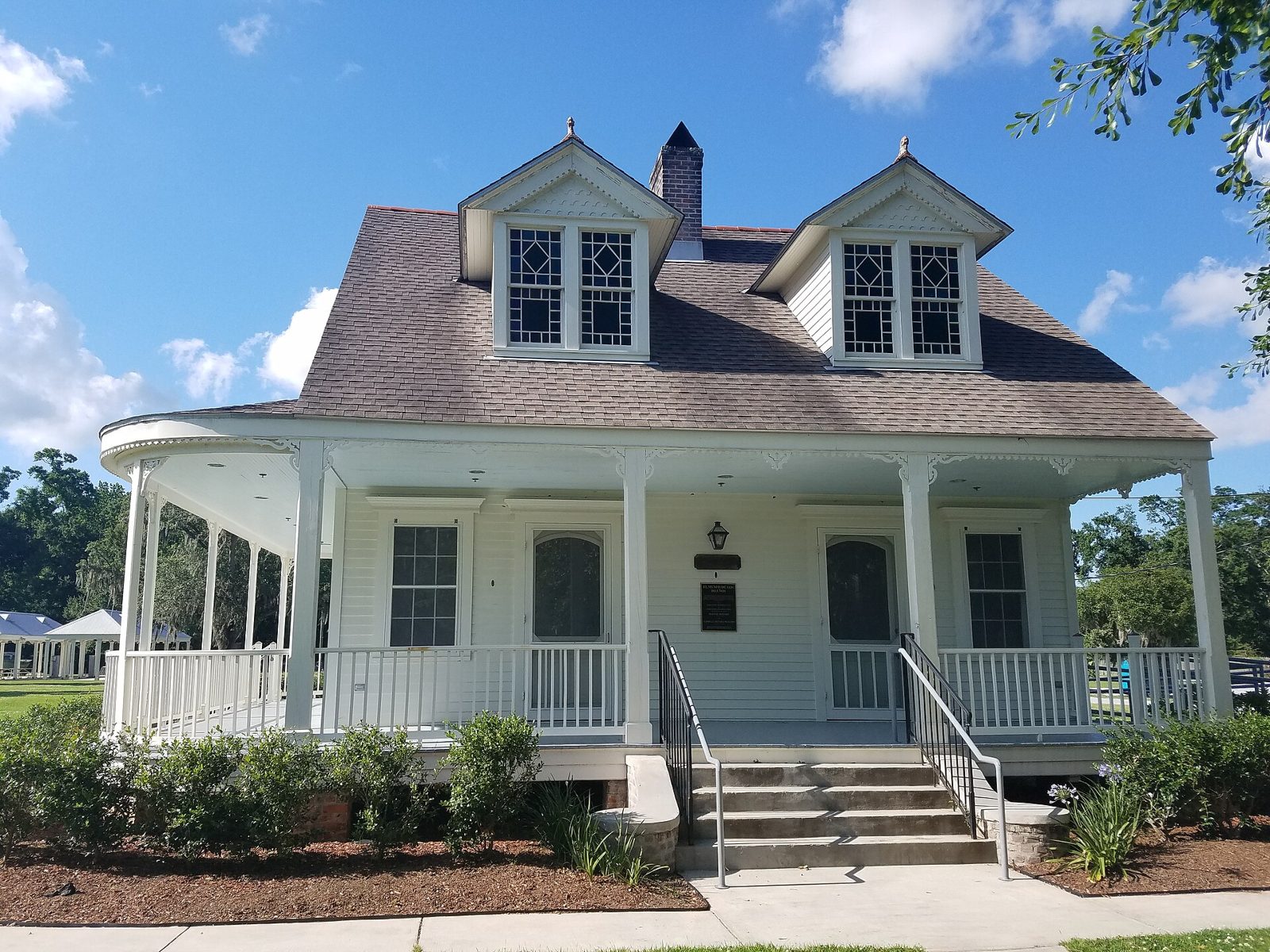
See it for yourself
Los Isleños museum complex, on Bayou Road (Highway 46) in St. Bernard, is run by the Los Isleños Heritage and Cultural Society. It has a cluster of historic buildings, exhibits on the families and their trades, and a nature trail through the woods.
Los Isleños Fiesta, held on the museum grounds every March, is the big day: music and dancing, crafts, Canary Island and Isleño food, and plenty of people who can tell you exactly where your last name came from. Look for it on our home page when the date's announced.
Caldo, and the rest of the table
If an Isleño grandmother cooks for you, there's a good chance it'll be caldo, a hearty soup of white beans, vegetables and whatever meat the house has, simmered for hours. You'll find it at the fiesta, and in a lot of parish kitchens on a cold day. Ask for the recipe and you'll get three different answers, all of them correct.