If you've driven from New Orleans into St. Bernard, you've driven through Arabi. It starts right where Orleans Parish ends, just past Jackson Barracks, and for most people from town it's the parish's front door. It deserves more than a drive-by.
Stockyards and a borrowed name
Arabi started life as a working riverfront. In the late 1800s New Orleans banned stockyards and slaughterhouses inside the city, so the business moved just across the line, and the area became known as Stockyard Landing.
The name Arabi came later, and there are a few versions of how. The most-told story goes back to Ahmed ʿUrabi, the Egyptian colonel (called "Arabi Pasha" in the papers of the day) who led a revolt against European control of Egypt in 1882. Local residents in a fight of their own with the government of the day borrowed his name, and it stuck. Ask around and you'll hear other versions too.
The sugar refinery
You'll smell it before you see it: on a warm day, the air in Arabi smells like toasted sugar. That's the Domino sugar refinery, on the river at the parish line. The American Sugar Refining Company started building it in 1905 and began refining in 1909, and it grew into the largest sugar refinery in North America. Generations of Arabi families worked there, and the big Domino sign is as much a part of the skyline as the levee.
Old Arabi
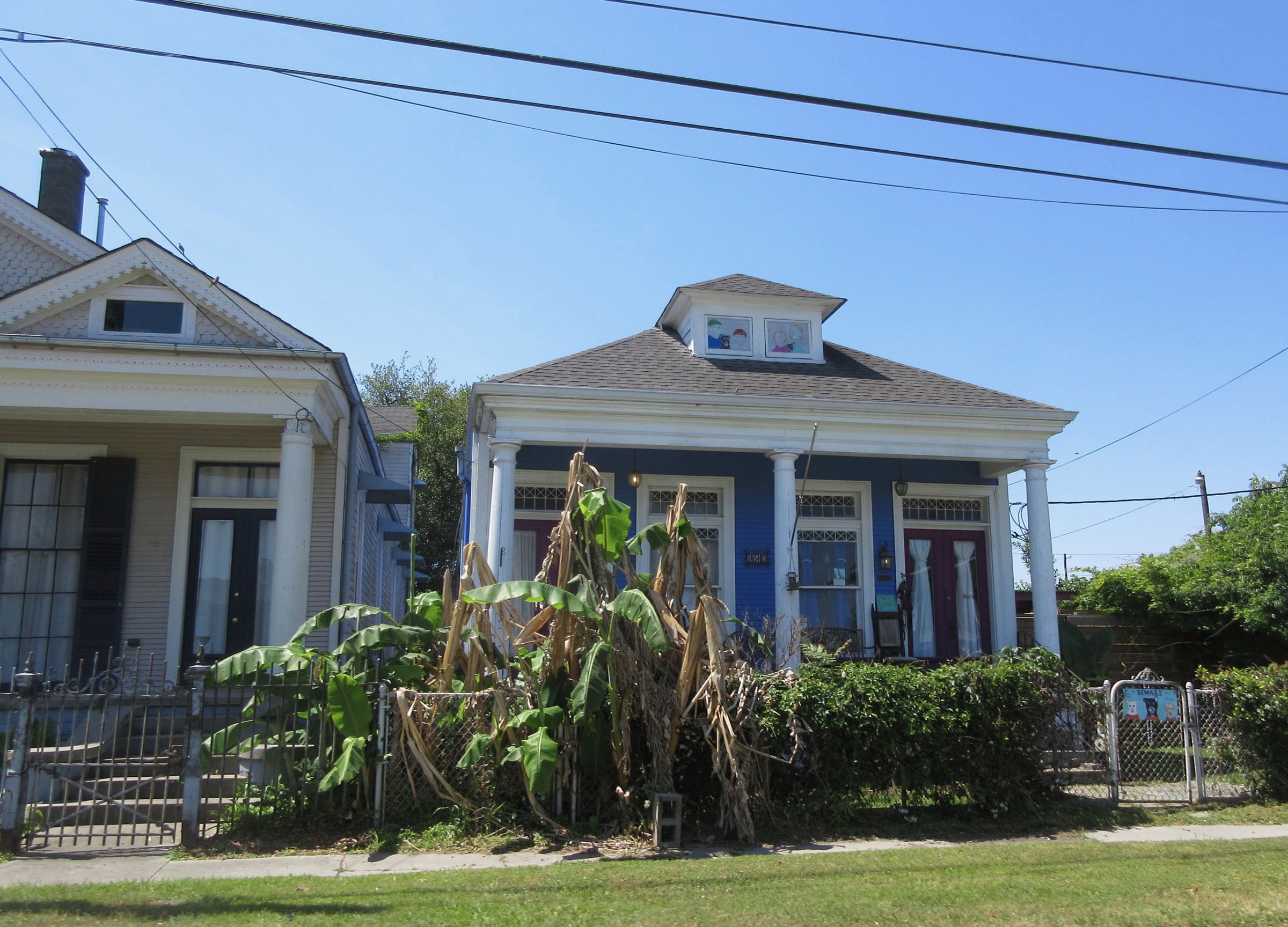
The blocks closest to the river are Old Arabi, one of the oldest neighborhoods in the parish. They're lined with shotgun houses, raised cottages and Craftsman bungalows, many of them more than a century old. Friscoville Avenue, which runs toward the river, is a historic district of its own, and Old Arabi is now a state-certified cultural district.
The best way to see it is on foot. Park near the river end, walk a few blocks in each direction, and look up at the porches, the gingerbread trim and the gardens people have put back in.
After the water
Hurricane Katrina flooded Arabi badly in 2005, along with nearly every home in St. Bernard. For a while it wasn't clear how much of the old neighborhood would come back. A lot of it did, house by house, often by the same families who'd lived there before the storm and stubbornly refused to leave. Walk Old Arabi now and you'll see restored houses next to brand-new ones built on higher foundations, and the odd empty lot that still hasn't found its owner.
Corner bars and Friday nights
Arabi has always been a neighborhood of corner bars, po-boy shops and church halls, the kind of places where everyone knows whose kid you are. Some are new since the storm and some have been pouring for decades. Bands play on weekends, and the churches still run fish fries and fairs. Check what's on and filter by Arabi to see this week's.
Getting here
From New Orleans, take St. Claude Avenue over the Industrial Canal and keep going. You're in Arabi as soon as you pass Jackson Barracks. From Chalmette, it's a few minutes upriver. It's also the closest part of the parish to the Lower Ninth Ward, so pair it with a drive along the river or lunch on the way back into town.